The recipe for a souffle keeps reminding, “Be careful or it will fall.” With three children and a husband who never got to a table at the same time or on time, I just turned that page and moved on. Eventually I learned hot bread was my forte. First, perfection didn’t matter. The brown crust didn’t have to always be the exact shade as previously. Second, all dinner rolls didn’t have to be exactly the same shape, just approximately the same size. Last, the recipes allowed for some tweaking or variations or even mistakes. Options existed for different grains and additions from raisins to olives.
Icebox pocket rolls were my first venture. My mother held the standard. She used cake yeast and tested the warm water on her wrist. I couldn’t even begin to match her until I found a $1.00 booklet at the checkout counter of the grocery store. I bought a thermometer and a bottle of Active Dry Yeast. Would anyone buy non-active dry yeast? Following directions and some practice enabled me to make a pan, put in fridge overnight, and serve up hot rolls as if by magic.
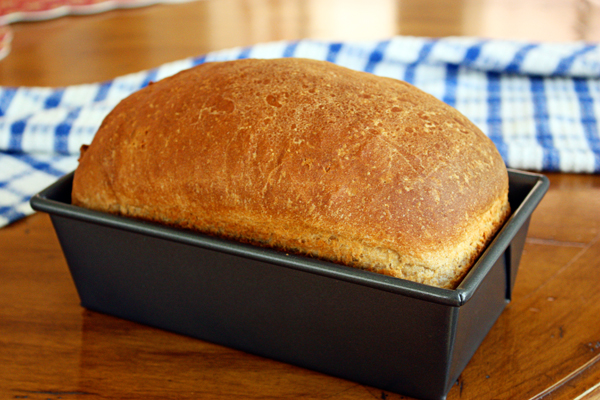
Making bread sits at the top of my restorative activities. The sequence allows for moments of rest: mix, let rise, punch down and shape, let rise and bake. Kneading releases any tension of the day and provides not only agitation for the yeast, but also for me the rhythmical calming of repetitive action. Tweaking the recipe is possible without looking up what someone else has tried. Experiments with cinnamon/sugar to jalepanos have all been welcomed. Planning to have the kitchen empty when removing from the oven requires strategy. Resisting the impulse to cut hot bread is nigh impossible.
Cornbread must be mentioned. Variations abound from hushpuppies to toss to dogs under the table to the drier corn pones. I’m talking about yellow meal cornbread made in an iron skillet that has a history and has been throughly seasoned. A skill is required to balance the crumble and the hold togetherness of the finished product. Experts can balance a plate on top of the skillet. flip, and the cornbread comes out a perfect, bottom up circle. I’m not there yet. I just put the skillet on a hot pad and each person cuts a slice and slides a spatula underneath to move to their plate. Of course, the slice needs enough height to cut in half and hold butter and jelly, gravy, or the juice from black eyed peas or pot likker from greens of the season. Hummmm, good.
The part I may like best about these three offerings is they grow and change. From being a lump to a flat covering in a skillet, they rise and grow and create a whole new aromatic accompaniment to a meal The Bible doesn’t say approving words about leven- the yeast and baking powder that create the change. If you’re getting ready for a 40 year journey you don’t have time to stick around for a process. If the something arising new is not good like the judgemental attitudes of the Scribes and Pharisees, don’t be like that. Even Paul says to be puffed up with boasting can mess up a whole situation. Yet, a pandemic gives me time to be involved in creating an offering of love. To join in around a table is called breaking bread together, The specifics can range from matzah to pita to tortillas, to naan, or to my just baked loaf. Life giving sustenance is what counts.
For the bread of God is that which comes down from heaven and gives life to the world….Jesus said to them,”I am the bread of life.” John 6: 33, 35

 Let Me Tell Ya